
Search Engine Optimization
The People-First Guide to Search Engine Optimization
Introduction
You built a beautiful website. You added great products. You are waiting for customers. Nobody visits your site. This is a big problem. Many marketers face this issue today. It feels very frustrating. You feel completely invisible online.
This article will solve your problem. It will explain Search Engine Optimization. You will learn how to get free traffic. You will understand how to reach your audience. I will keep everything very simple. You do not need technical skills. You will finish this article with confidence. You will know exactly what steps to take next.
What is Search Engine Optimization?
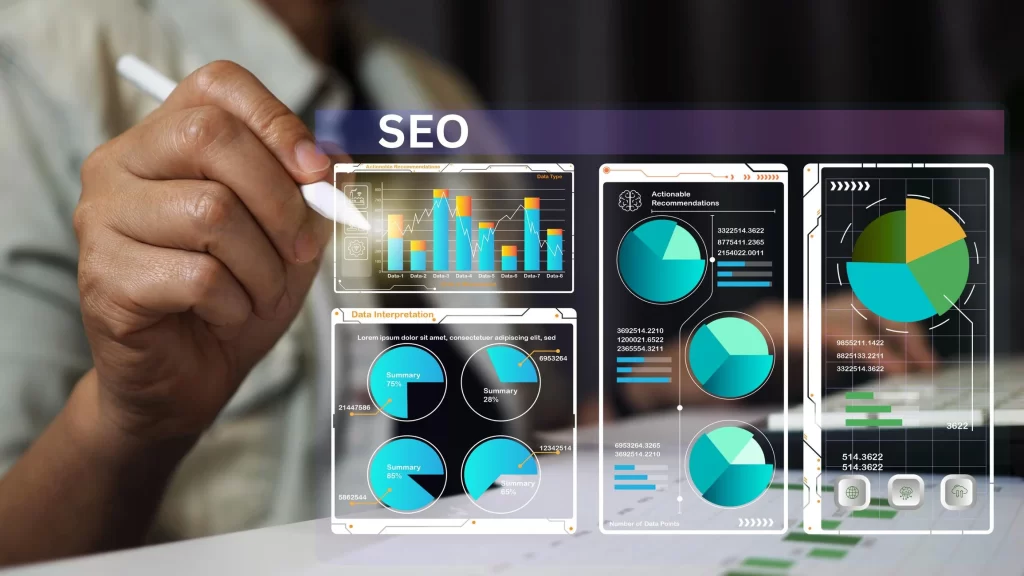
Search Engine Optimization is a process. People call it SEO for short. It helps your website show up on Google. People use search engines every single day. They look for quick answers. They look for local services. They search for new products.
You want your website to appear first on the list. Most people click the top results. They rarely visit the second page. Good SEO brings these people to your site. It brings free visitors. These visitors can become paying customers. You need a solid strategy to win.
“The best place to hide a dead body is page two of Google search results.”
Why SEO Matters Today
Advertising costs are rising very fast. Paid ads stop working when you stop paying. SEO is completely different. It builds long-term value for your brand. A good ranking brings traffic for years. It is a smart investment of your time.
People trust organic search results. They often ignore sponsored advertisements. Showing up at the top builds instant trust. It proves you are a real authority. Your business needs this trust to survive. Trust turns simple visitors into loyal buyers. Google Search Central documentation confirms this approach [1].
The Power of E-E-A-T
Google wants to show helpful content. They use a concept called E-E-A-T. This stands for Experience, Expertise, Authoritativeness and Trustworthiness. It is a core part of their system. You must prove you know your topic well.
Experience means you have done the work. Expertise means you have the right knowledge. Authoritativeness means others respect your work. Trustworthiness is the most important part. You must build a safe website. You must provide accurate facts.
“Trust is the foundation of every successful search ranking strategy today.”

How Search Engines Work
Search engines are very powerful machines. They work like giant digital libraries. They have three main jobs. They crawl the web. They index the pages. They rank the results. You must understand this basic process.
Google sends out small computer programs. These programs are called bots. The bots travel across the internet. They follow links from one page to another. They look for new text and new code.

Crawling and Indexing
The bots read your website content. This step is called crawling. They copy your text and layout. They bring this data back to Google. Google stores this information in a massive database. This database is called the index.
Your page must be in the index. A page cannot rank without being indexed. You can block bots by mistake. This is a common error for beginners. You must make sure your site is open. A simple code change can fix this issue.
“If Google cannot crawl your website, you simply do not exist online.”
Ranking the Results
A user types a question into Google. Google checks its massive index. It looks for the best possible answer. It finds thousands of matching pages. It must decide which page is the absolute best.
Google uses hundreds of ranking factors. It looks at your text. It looks at your website speed. It looks at other websites linking to you. The search engine scores every single page. The page with the highest score wins the top spot. Ahrefs research shows top pages get the most clicks [2].
Understanding User Intent
Keywords are the words people type. User intent is the reason behind those words. You must understand what the user truly wants. Sometimes they want a quick fact. Sometimes they want to buy a product.
You must match your content to their intent. Do not write a sales page for a simple question. Do not write a long essay for a product search. Give the user exactly what they want. Give it to them very fast.
The Four Types of Intent
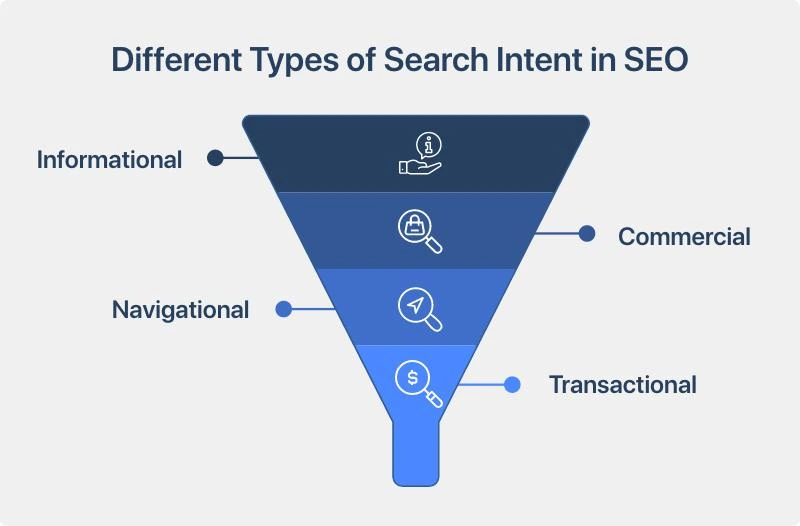
There are four main types of search intent. Informational intent means the user wants to learn. Navigational intent means they want a specific website. Commercial intent means they are doing research. Transactional intent means they are ready to buy.
You must label your target keywords. This helps you plan your content.
| Intent Type | Example Search | Content Goal |
| Informational | How to tie a tie | Teach a skill |
| Navigational | Facebook login | Direct to page |
| Commercial | Best running shoes | Compare options |
| Transactional | Buy Nike shoes | Sell a product |
“Matching user intent is the single most important skill in modern SEO.”
Keyword Research Basics
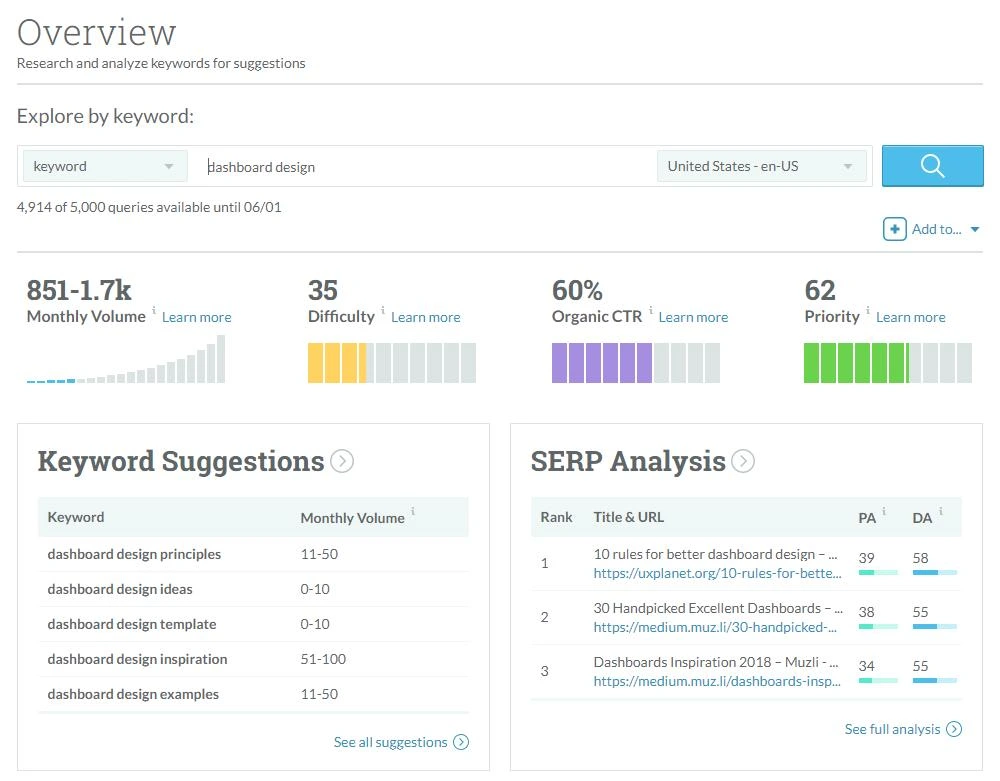
Keyword research is a vital step. You need to know what people search for. You cannot just guess the right words. You must use real data. Many tools can help you find this exact data.
On-Page SEO Tactics
On-page SEO happens directly on your website. You control every part of this process. You need to optimize your individual pages. This makes it easy for Google to understand your topic.
You should put your keyword in important places. Put it in the main title. Put it in the first paragraph. Do not use the keyword too many times. This is called keyword stuffing. Google will punish your site for keyword stuffing. Write naturally for real human readers.
Writing Good Title Tags
The title tag is very important. It shows up in the search results as a blue link. It tells users what your page is about. It must be catchy. It must be clear.
Keep your title tag short. Google cuts off long titles. Put your main keyword near the beginning. Add your brand name at the end. Make people want to click your link. A good title tag brings more visitors. Backlinko studies show title tags impact click rates significantly [3].
Crafting Meta Descriptions
The meta description sits below the title tag. It is a short summary of your page. It does not directly improve your ranking. It can increase your clicks instead. More clicks will help your business grow.
You have limited space here. Write a clear call to action. Tell the user what they will learn. Promise them a solution to their problem. Make it interesting and accurate. Never use fake promises.
Using Header Tags Properly
Header tags organize your content. They break up large blocks of text. This makes your article easy to read. People scan web pages very quickly. They do not read every single word.
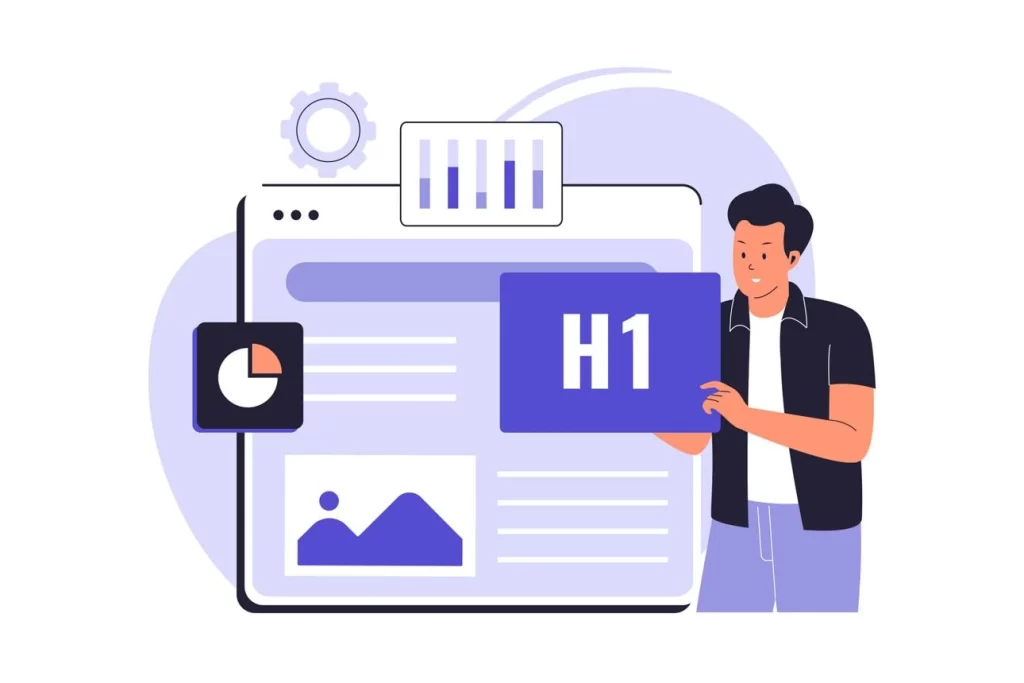
Use one main header for the title. This is the H1 tag. Use H2 tags for major sections. Use H3 tags for smaller points. This creates a clear outline. Google uses this outline to understand your page structure.
“Clear headings help both readers and robots navigate your digital content.”
Creating Helpful Content
Content is the heart of your website. Google rewards helpful content. You must write for people. You must solve real problems. Thin content will never rank well. You need deep and valuable information.
Share your personal experiences. Add original data. Answer common questions. Make your article better than the competitors. Read the top results for your topic. Find out what they missed. Add that missing information to your own page.
Technical SEO for Beginners
Technical SEO sounds very scary. It is actually quite simple. It is about building a strong foundation. A beautiful house needs a strong foundation. A beautiful website needs clean technical SEO.
You must ensure your site is secure. Use an SSL certificate. This puts a small padlock in the browser bar. Google prefers secure websites. It protects user data. You also need a simple site structure. All pages should be easy to find.
“Technical SEO removes the invisible roadblocks that stop Google from reading your site.”
Improving Page Speed
Website speed is a massive ranking factor. Nobody likes a slow website. People will leave if your page takes too long. They will click the back button. Google sees this action. Google will lower your ranking.
You must optimize your website speed. Make your code smaller. Use a good web host. Remove unnecessary plugins. Every second counts. Fast websites get more traffic. They also get more sales.
Making Your Site Mobile Friendly
Most people use mobile phones for internet search. They do not use desktop computers as often. Your website must work perfectly on a phone. The text must be easy to read. The buttons must be easy to tap.
Google uses mobile-first indexing. This means Google looks at your mobile site first. It ignores your desktop site for rankings. You must test your mobile design. Ensure there is no horizontal scrolling. Make sure popups do not hide the screen. SEMrush reports prove mobile traffic dominates search volume [4].
Core Web Vitals Explained
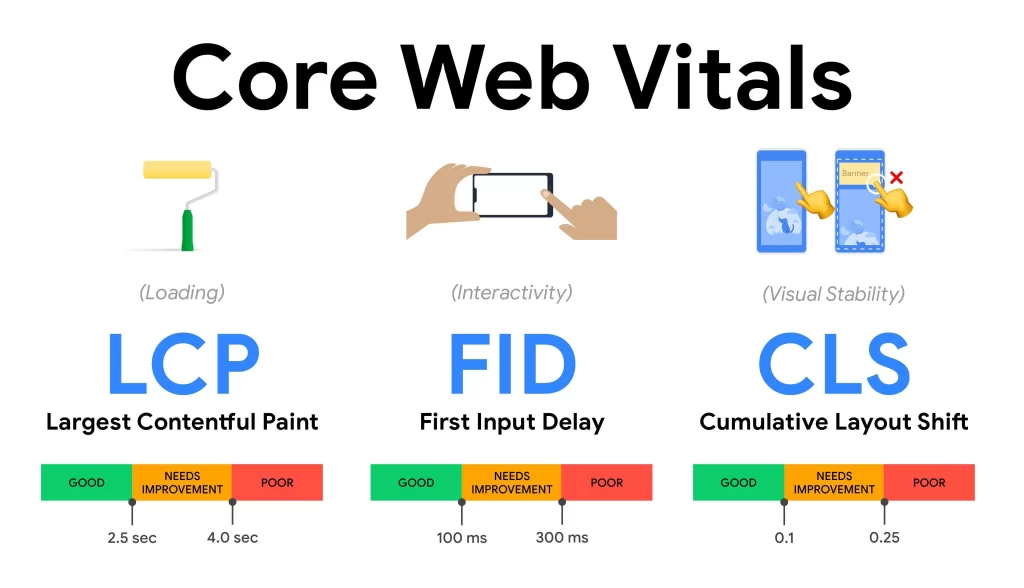
Core Web Vitals are specific speed metrics. Google uses them to measure user experience. They look at three specific things. They measure loading speed. They measure visual stability. They measure interactivity.
Your page must load the main content fast. Your text should not jump around. The buttons must respond quickly when clicked. You can check these scores for free. You must fix any failing scores. This will improve your overall page experience.
“A bad mobile website is a closed door to most of your potential customers.”
Off-Page SEO Strategies
Off-page SEO happens away from your website. You cannot control everything here. It is mostly about building your reputation. Google looks at what others say about you. High praise means high rankings.
The most important off-page factor is backlinks. Social media mentions also help. Brand searches are very positive signals. You must become a popular brand in your industry. You need people talking about your work.
Why Backlinks Matter
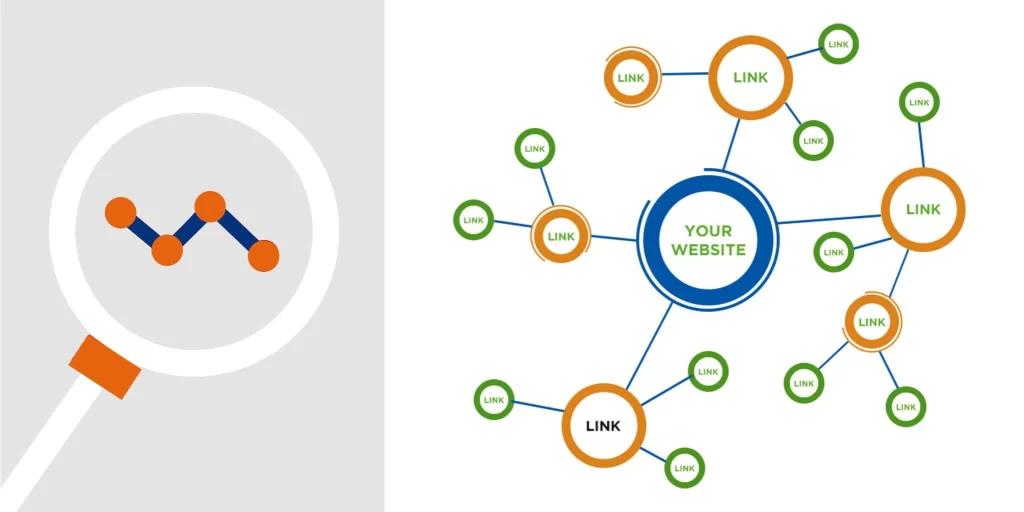
A backlink is a link from another website. It points directly to your website. Think of a backlink as a vote. It is a true vote of confidence. Google counts these votes. Pages with many votes rank higher.
Not all votes are equal. A link from a famous news site is powerful. A link from a spam site is harmful. You want high-quality links. You want links from sites in your industry. Quality always beats pure quantity.
“Off-page SEO is digital word-of-mouth marketing for your modern business.”
How to Get Good Backlinks
You cannot buy good backlinks. Google strictly forbids buying links. You must earn them naturally. You earn them by creating amazing content. People will naturally link to great resources.
You can also reach out to other website owners. You can offer to write a guest post. You can fix broken links on their site. You can share original research. Digital public relations is a great way to get natural links.
Local SEO for Indian Businesses
Local SEO is for businesses with physical stores. It helps you find nearby customers. Many Indian users search for local shops. They type near me in their searches. You need to capture this local demand.
You must clearly list your name. You must clearly list your address. You must clearly list your phone number. Keep this information consistent everywhere online. Small changes can confuse search engines. Accuracy is crucial for local trust.
Google Business Profile
Google Business Profile is a free tool. It is essential for local SEO. It puts your business on Google Maps. It creates a dedicated box in search results. This box shows your photos and your store hours.
You must claim your profile. Fill out every single field. Add new photos regularly. Post updates about your business. Respond to every customer message. An active profile ranks much higher in local searches.
“Your Google Business Profile is your digital storefront on the local internet.”
Getting Customer Reviews
Reviews are powerful ranking signals. They provide strong social proof. People read reviews before visiting a store. Google reads reviews to measure your quality. More positive reviews mean higher local rankings.
Ask your happy customers for reviews. Send them a direct link. Make the process very easy for them. Always reply to your reviews. Say thank you for the good ones. Apologize for the bad ones. Show that you truly care. Search Quality Rater Guidelines emphasize real customer feedback for building trust [5].
Measuring SEO Success
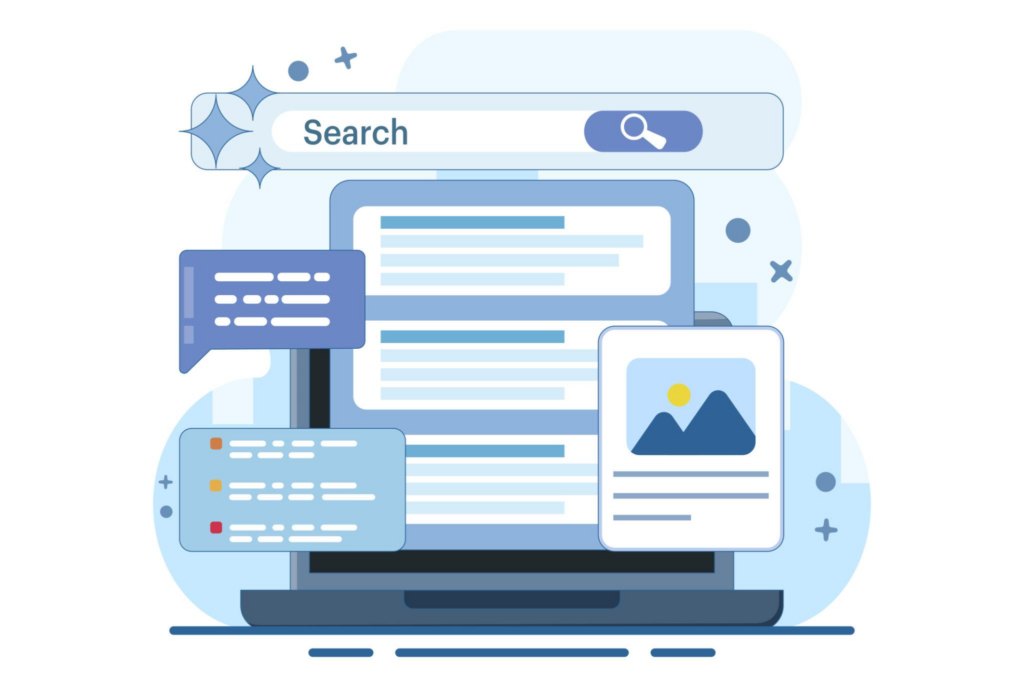
You must track your SEO efforts. You need to know what is working. You need to stop what is failing. You cannot improve what you do not measure. Data helps you make smart decisions.
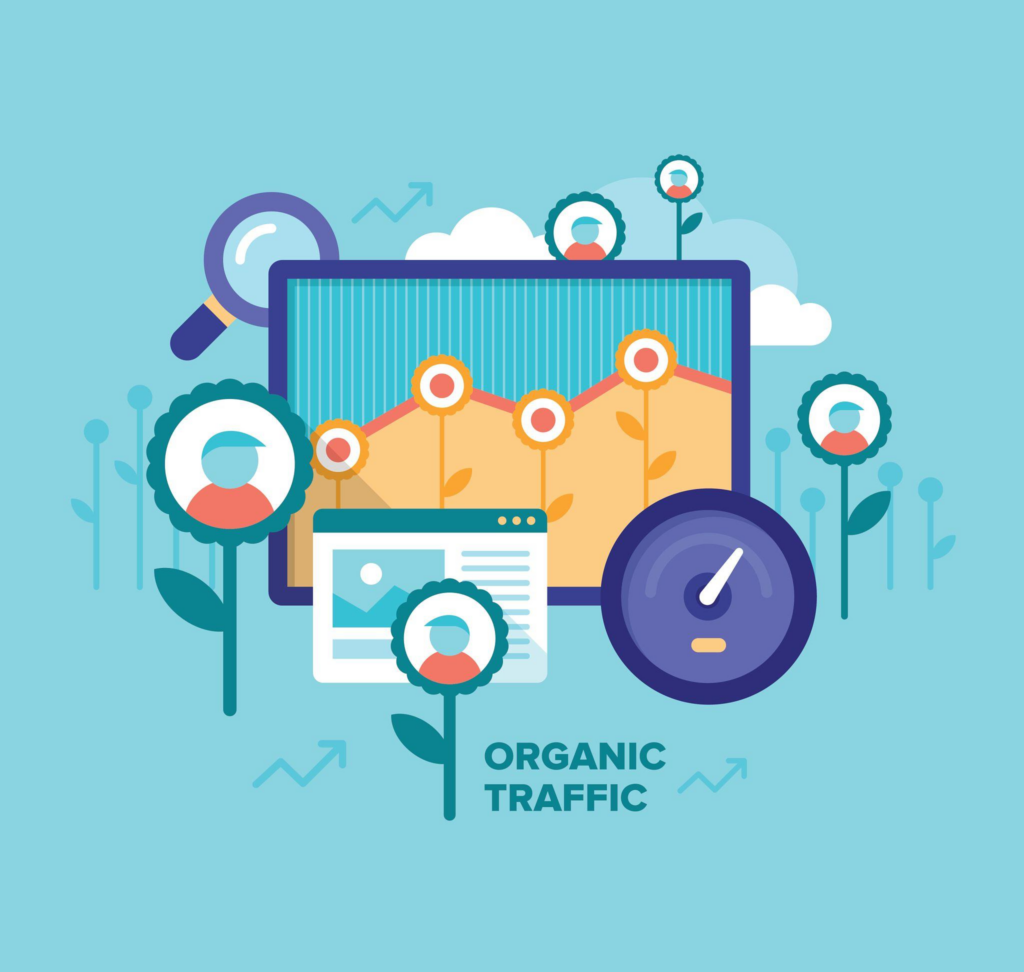
Do not just look at your rankings. Rankings can change every single day. Look at your organic traffic. Look at your conversions. Conversions are sales or sign-ups. More revenue is the ultimate goal.
“Measure your success by bank deposits instead of pure vanity traffic metrics.”
Google Search Console
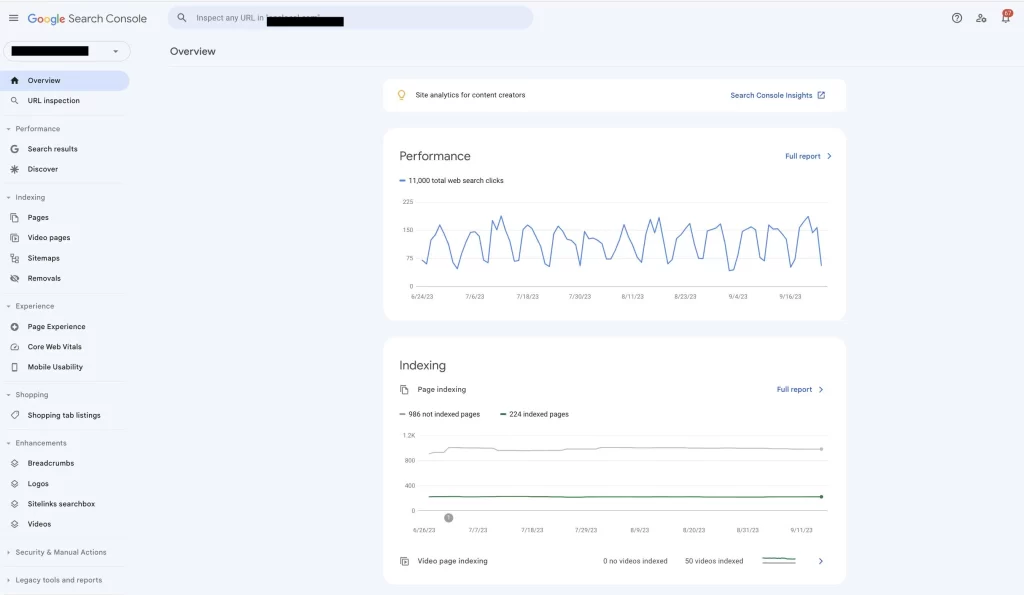
Google Search Console is a free tool from Google. Every website owner must use it. It shows exactly how Google sees your site. It shows your exact keywords. It highlights major technical errors.
You can submit your new pages here. You can ask Google to crawl them faster. You can see your average ranking position. You must check this tool every week. It provides the most accurate search data available.
Google Analytics
Google Analytics shows what users do on your site. It is another free tool. It tracks user behavior. You can see how long people stay. You can see which pages they visit most.
You can identify your best content. You can find pages that lose visitors quickly. You can track your exact conversion rates. Combining Analytics with Search Console gives you a complete picture. You will understand your audience perfectly.
Common SEO Mistakes to Avoid
Many beginners make the same mistakes. They try to trick the system. They hide text on their pages. They buy cheap links. They copy content from other sites. Google catches all these tricks eventually.
Patience is a major problem. SEO takes time to work. You will not see results in one week. It often takes several months. Do not give up too early. Keep publishing helpful content. Stay focused on your human readers.
“Avoid shortcuts because they always lead to long penalties in search rankings.”
The Future of SEO
Search engines are always changing. Artificial intelligence is changing the internet. Google is testing new AI summaries. Voice search is becoming very popular. You must adapt to these major changes.
The core rules will never change. Google will always want helpful content. Google will always want fast websites. Google will always reward real expertise. Focus on these basic principles. You will survive any algorithm update.
Conclusion
Search Engine Optimization is a powerful skill. It requires hard work and patience. You must understand your target audience. You must provide them with clear answers. You must build a fast and secure website.
Stop writing for robots. Start writing for real people. Use simple words. Provide genuine value. Build a trustworthy brand online. Your traffic will grow steadily over time. Your business will reach new levels of success.